Finding the right pair of running shoes is often the difference between a joyful morning jog and a week spent icing sore knees. Walking into a running store can feel overwhelming with all the colorful walls and complicated technical jargon. Most beginners stare at the shelves and simply pick the pair that matches their favorite color.
That approach usually leads to blisters, aching arches, and early retirement from the sport. Understanding a few basic metrics changes everything about how you shop for gear. Cushioning, drop, and surface traction form the foundation of every good running shoe.
Understanding Cushioning Levels
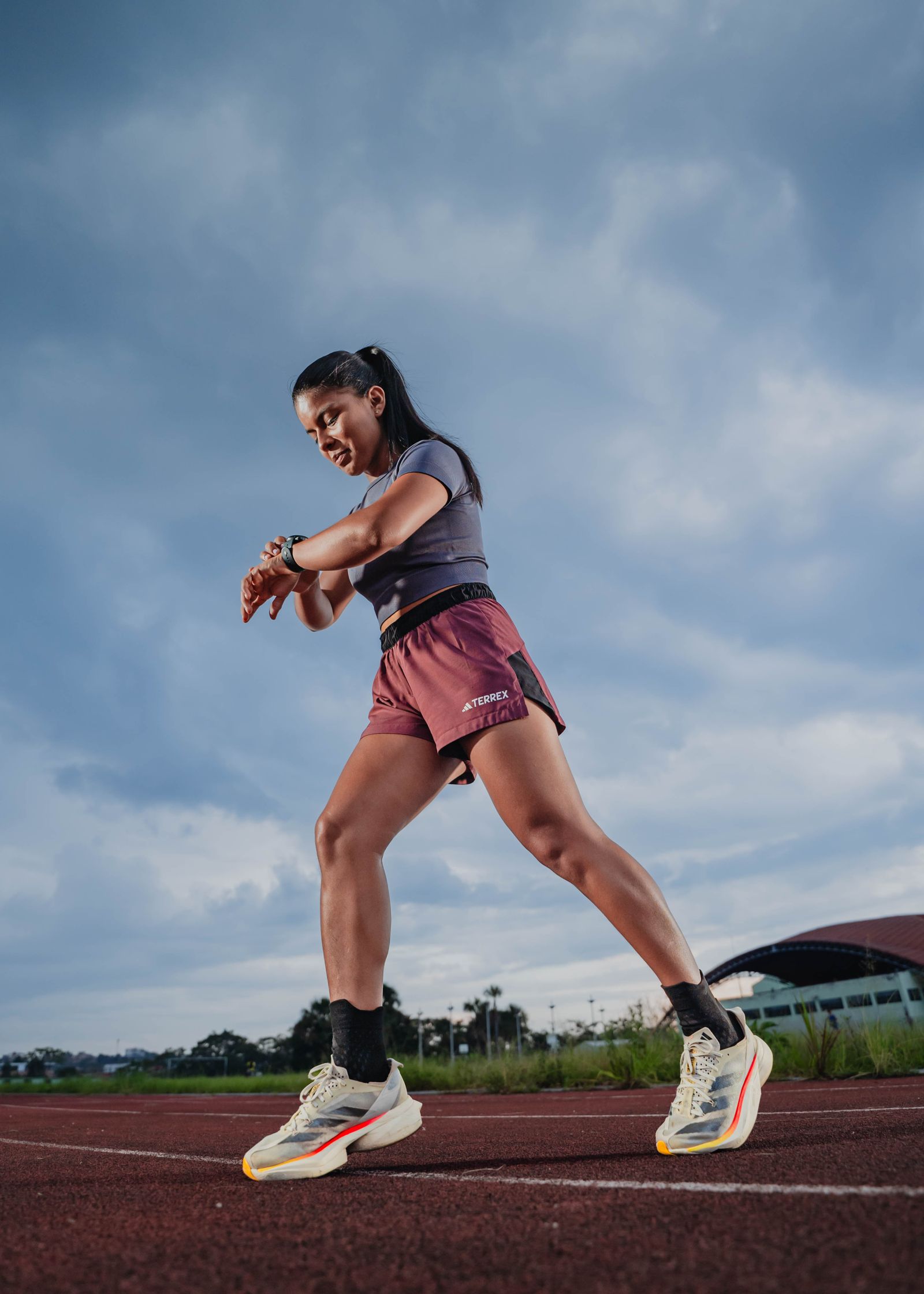
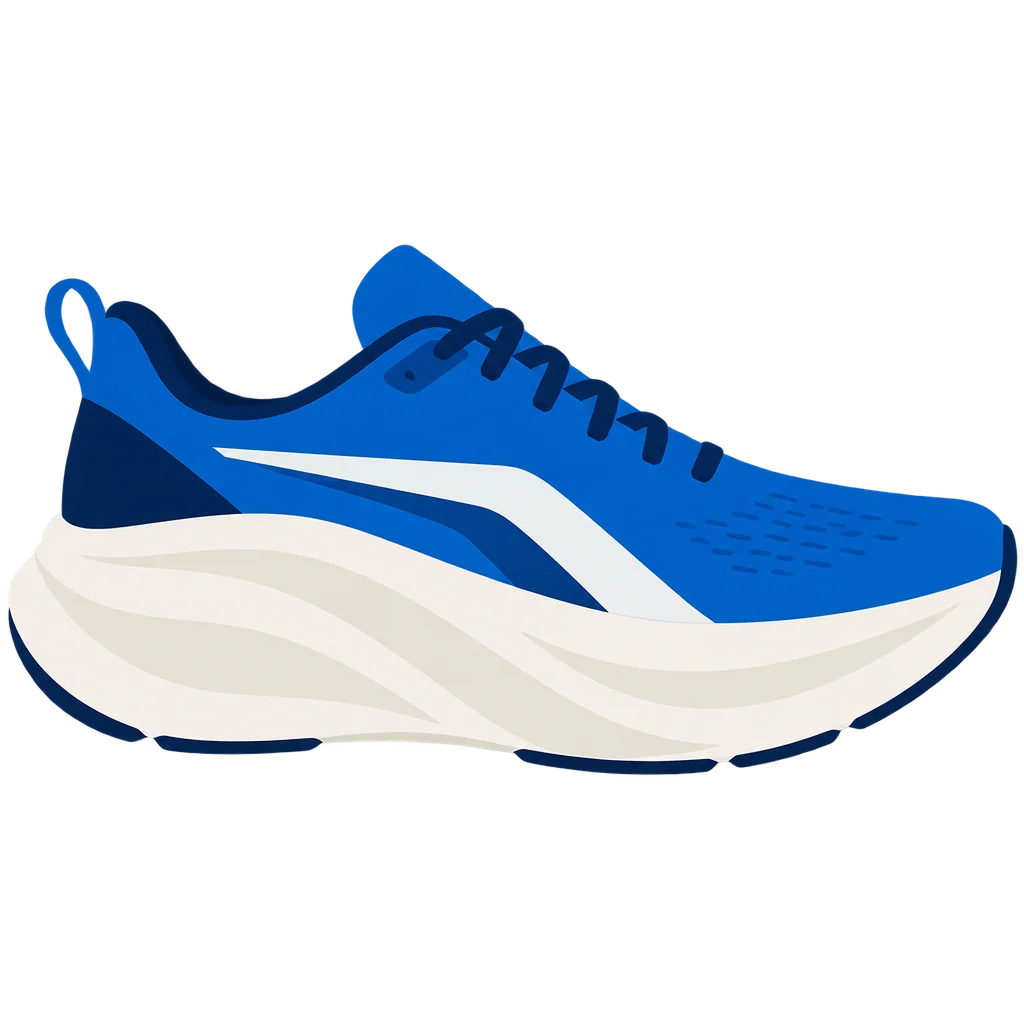
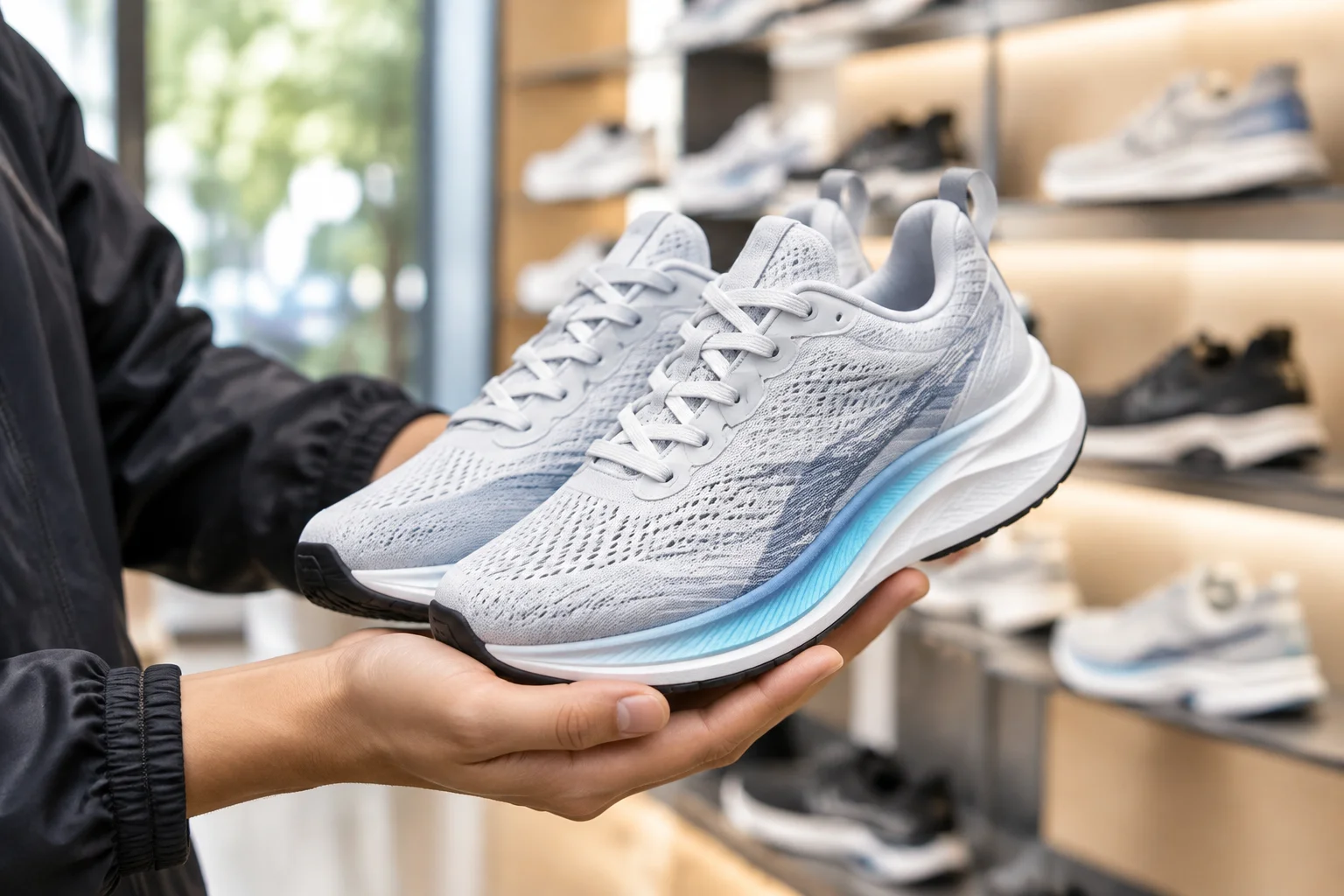
Foam sits underneath your feet to absorb the repeated impact of hitting the pavement. Minimalist shoes offer a thin layer of rubber for runners who want to feel the ground directly beneath them. Maximum cushioning uses thick slabs of foam to protect joints during long distance training.
Most runners fall somewhere in the middle with moderate daily trainers. Heavy cushioning feels wonderful on tired legs during recovery runs. Too much foam takes away your sense of balance on uneven ground.
The Role of Heel Drop
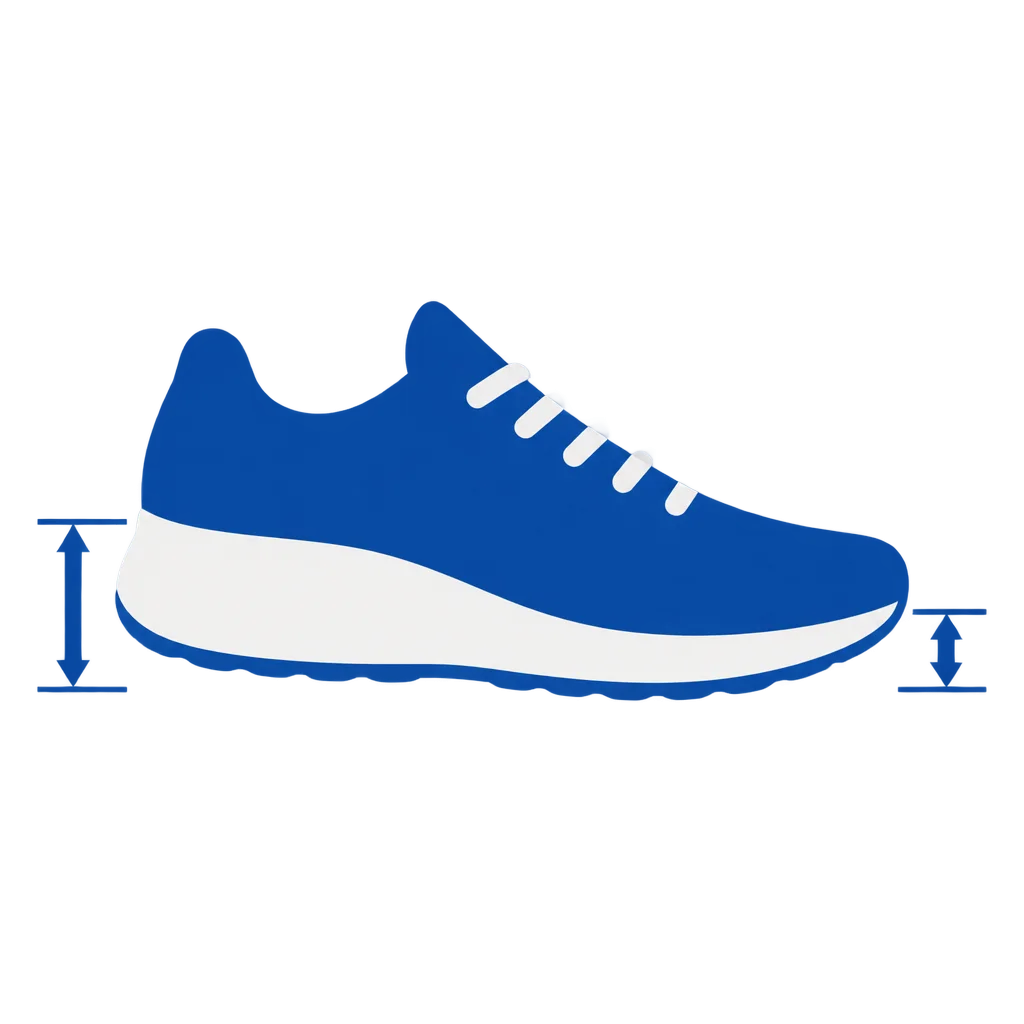
Heel drop measures the height difference between the heel and the toe inside the shoe. Traditional running shoes sit at a high drop, placing extra foam directly under the heel bone. Zero-drop models keep your heel and forefoot at the exact same distance from the ground.
Switching your drop too quickly strains your calf muscles and Achilles tendons. Transition slowly if you want to experiment with lower drop shoes. Your body needs time to adapt to new biomechanical stresses.
Achieving the Proper Fit
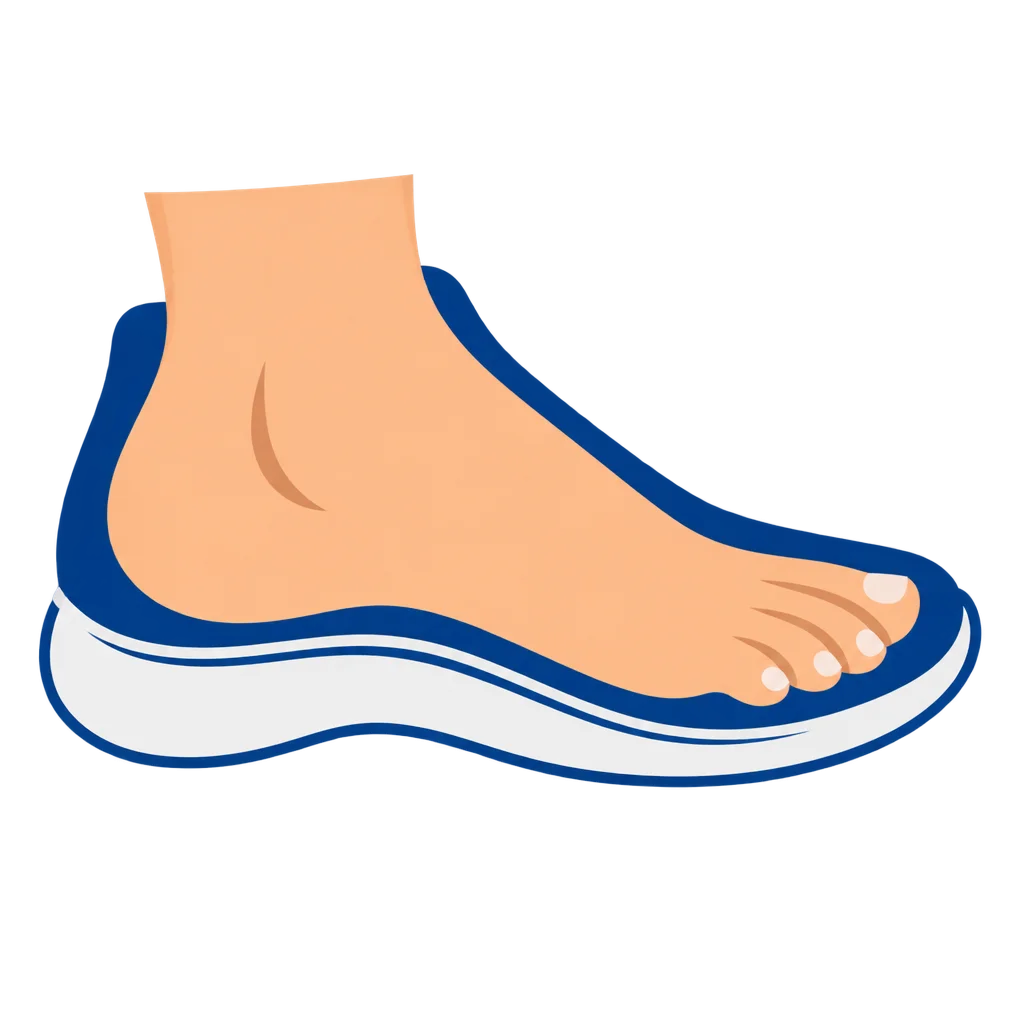
Feet swell and spread out significantly over the course of a long run. Always shop for running shoes later in the day when your feet are at their largest size. Leave about a thumb-width of space between your longest toe and the front of the shoe.
- Measure both feet because one is usually larger.
- Check that your heel does not slip out of the back.
- Ensure the midfoot hugs your arch securely without pinching.
- Look for breathable mesh uppers to prevent overheating.
- Test the toe box width by wiggling your toes freely.
- Wear your usual running socks when trying on new pairs.
Road Versus Trail Models
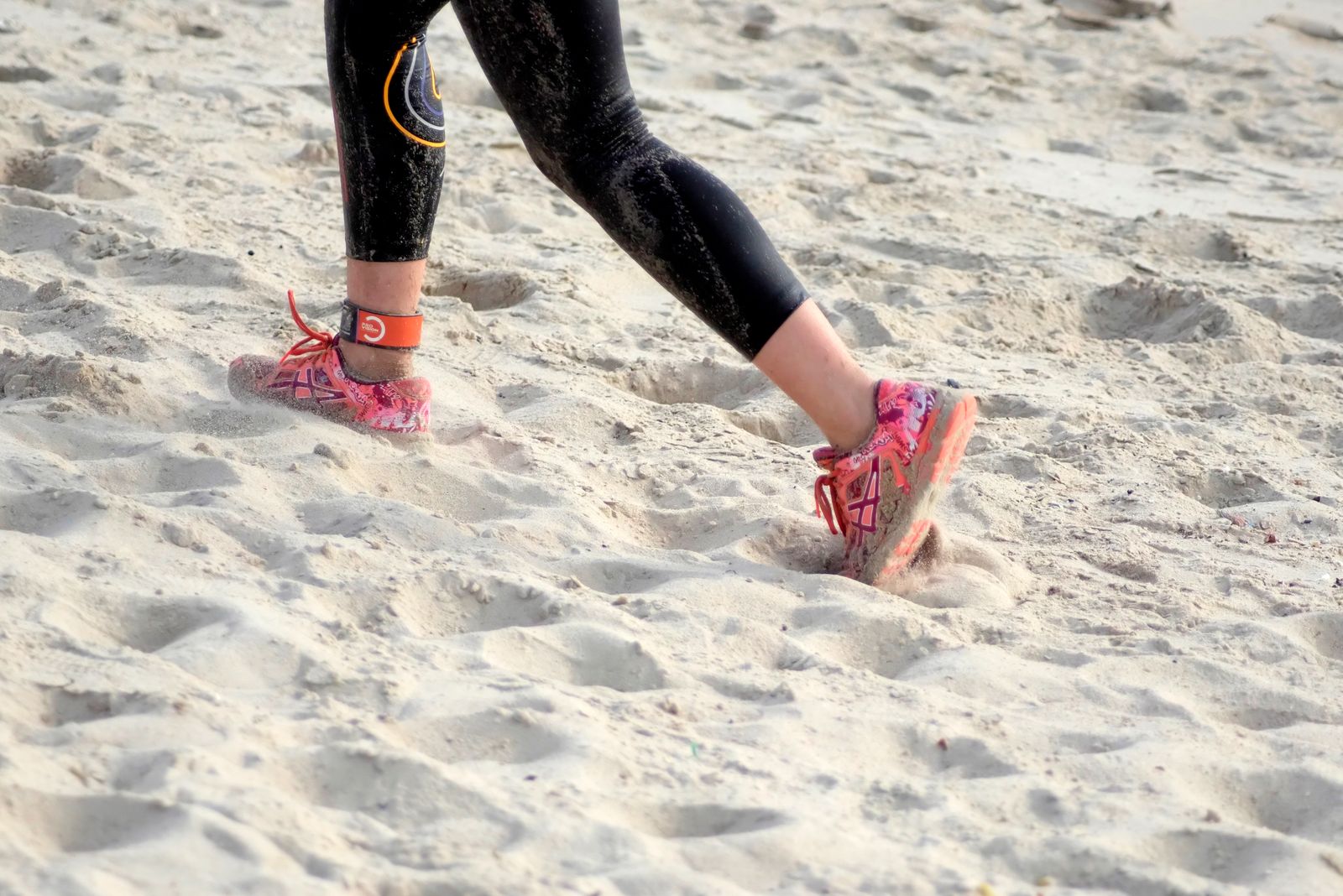
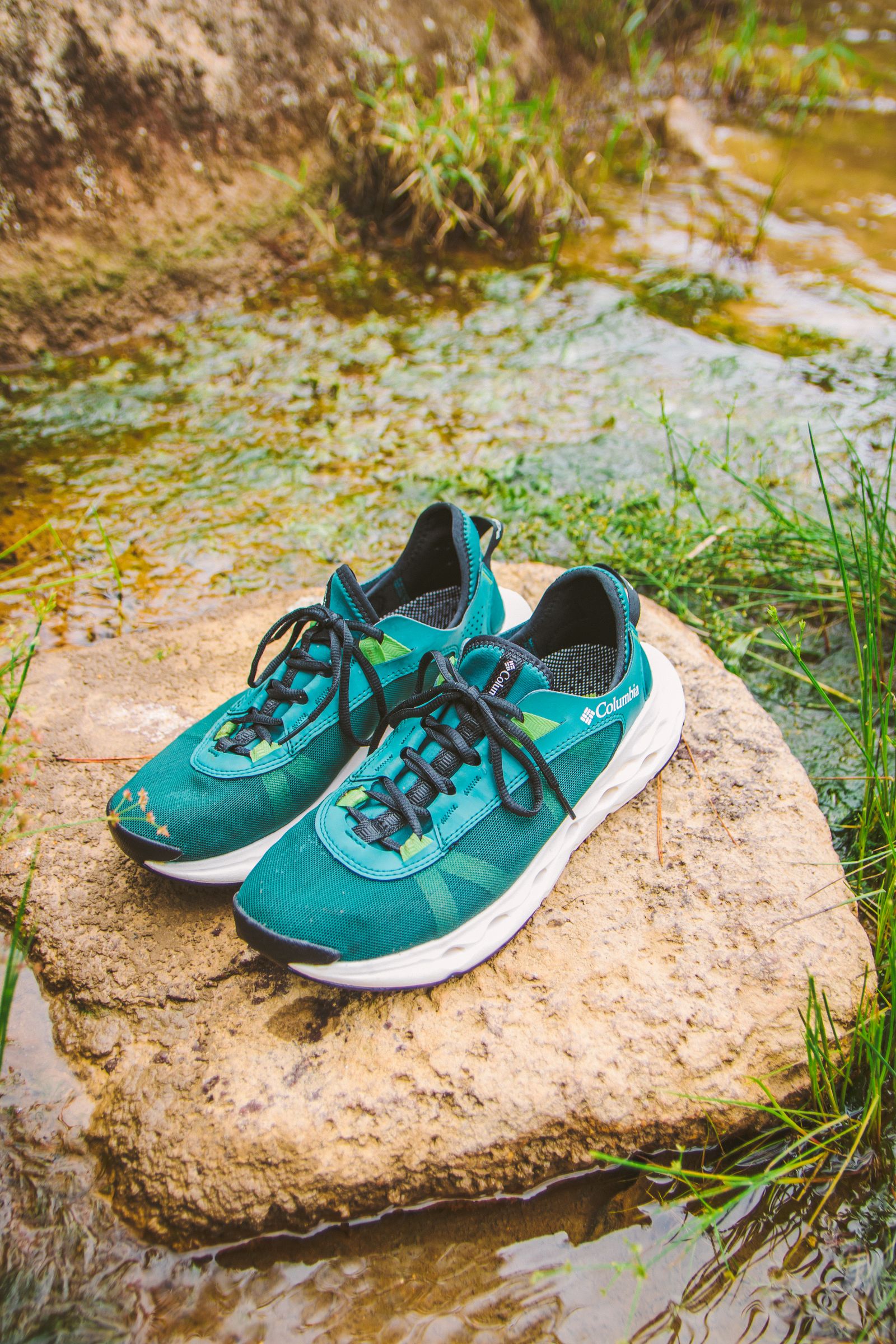
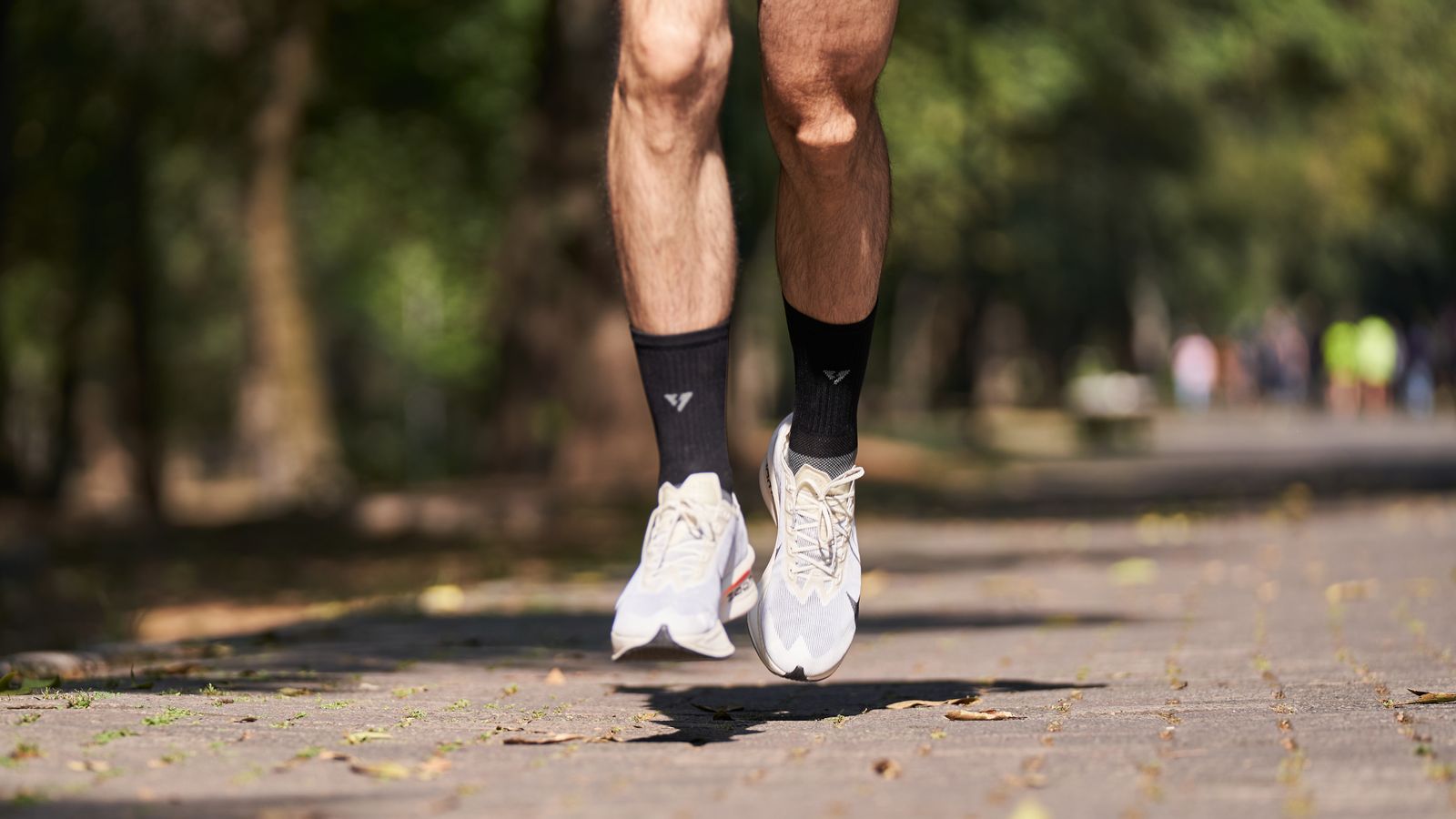
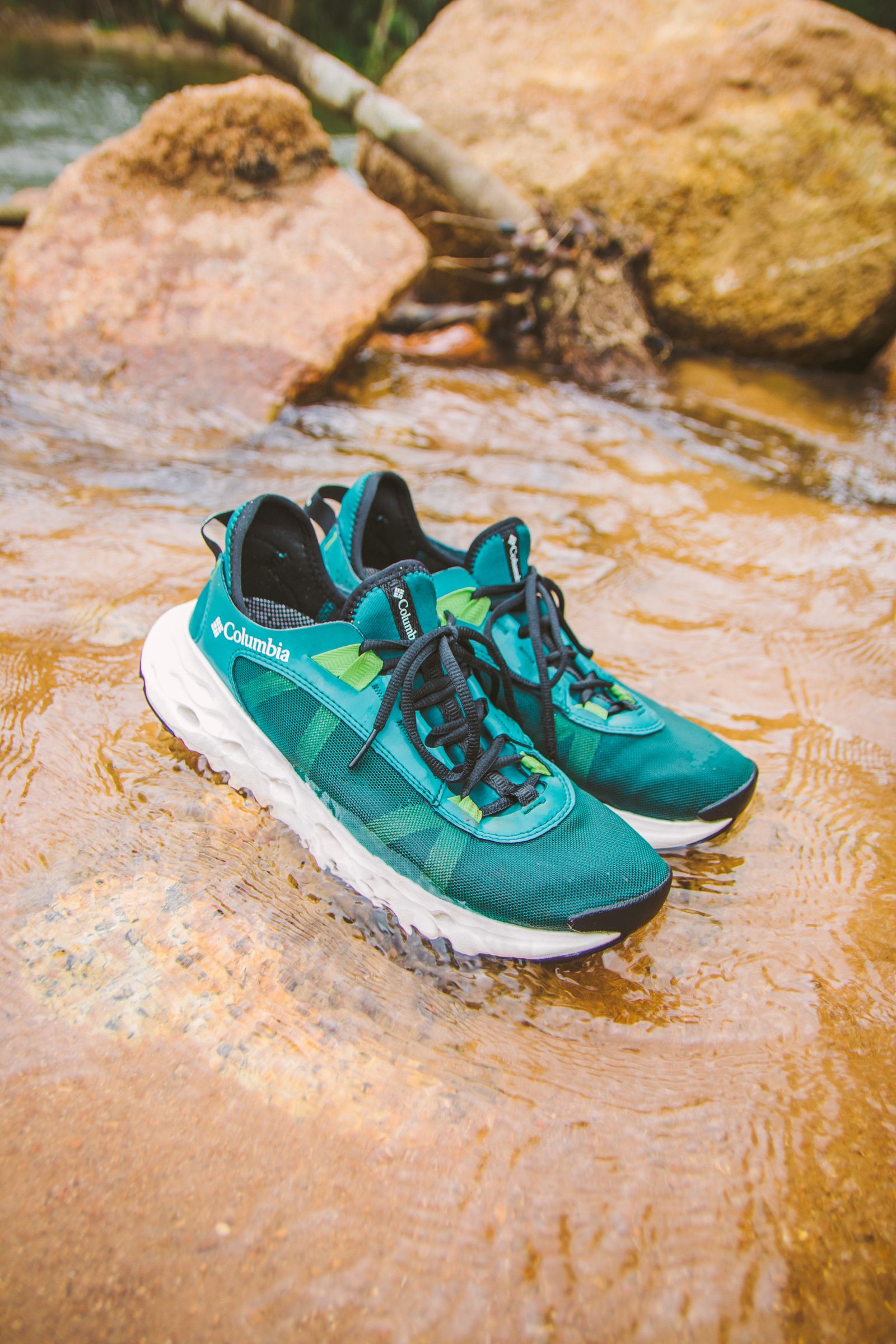
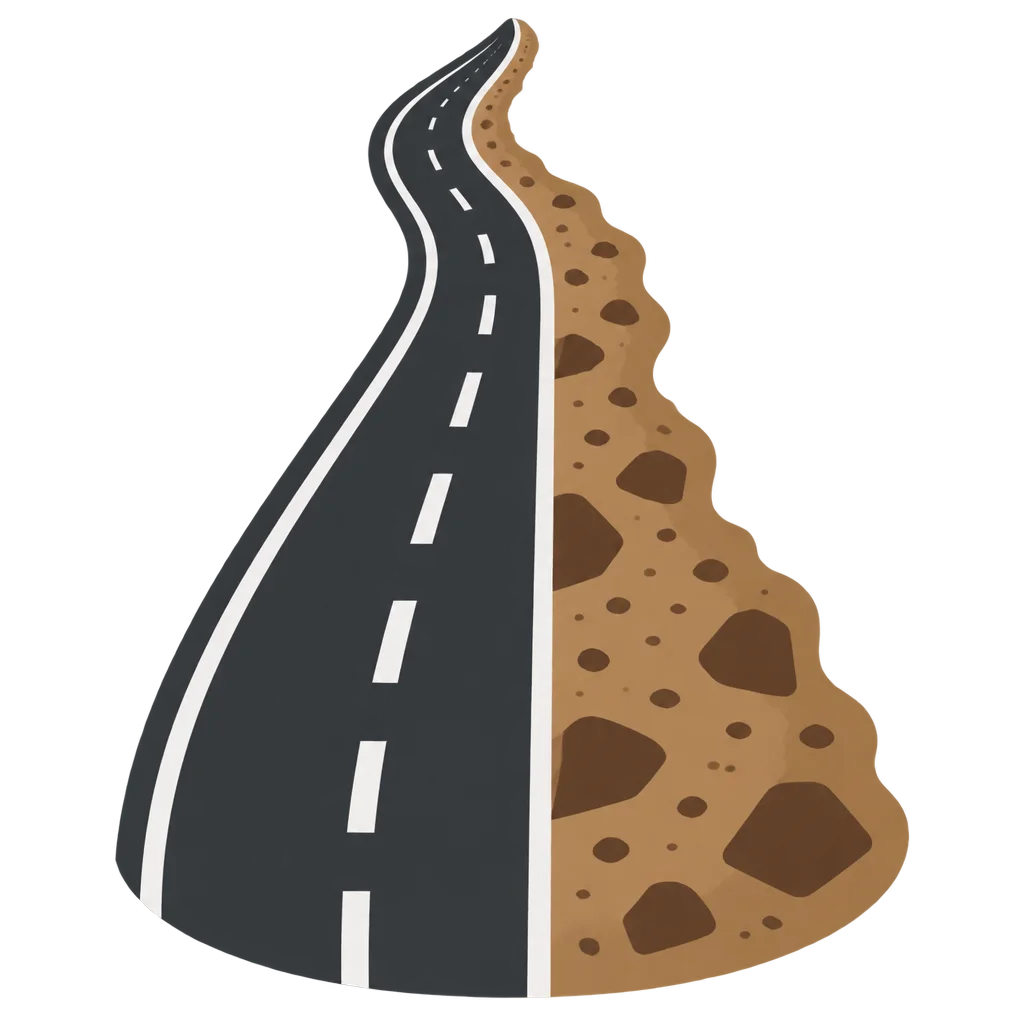
Road running shoes feature smooth rubber outsoles designed for asphalt, concrete, and packed dirt paths. They prioritize lightweight comfort and consistent traction on hard, flat surfaces. Trail running shoes come equipped with aggressive lugged treads that grip mud, rocks, and loose gravel securely.
Running on technical dirt trails with road shoes invites slips and twisted ankles. Pounding miles of concrete in heavy trail shoes wears down the expensive lugs prematurely. Match your primary running route to the outsole design.
Selecting running shoes requires patience and attention to how your body responds over time. Pay close attention to subtle discomforts before they turn into real injuries. Happy running starts from the ground up.